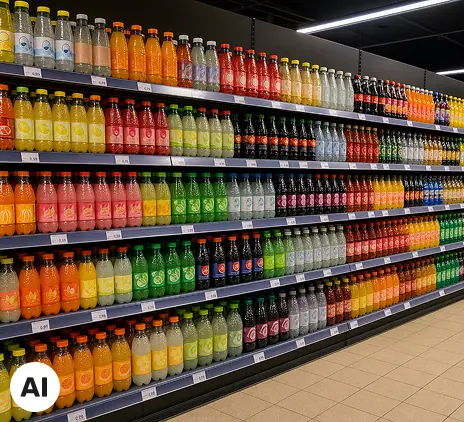
The Federal Government is pushing forward with the introduction of a tax on sugary drinks. According to the basic information released so far, starting from 2028 the tax is to have an effect as a tool to direct health policy and at the same time generate more income for public budgets or the health system. But the current discussion is already showing that the scope, assessment basis and product categories are politically contentious.
Filter insights by:
Showing 3 of 3 content results
Whoever has been importing cement, iron and steel, aluminium, fertilisers, electricity or hydrogen into the EU since 1 January 2026 and has not yet heard of CBAM (Carbon Border Adjust-ment Mechanism), may well stand at the EU border and rub their eyes in bewilderment. Since then the definitive phase of the CBAM Regulation (EU) 2023/956 has been in force, and what was a simple reporting obligation has turned into compulsory compliance duties that already start with a digital customs declaration (e.g. reporting the correct document codes and any individual registrations). By 30 September 2027 at the latest affected businesses must comply with their reporting duties and submit the certificates they previously had to buy. To do this, auditable processes and documentation have to be set up and governance models created.
International trade flows are becoming increasingly complex due to new regulations such as CBAM, preferential trade agreements and additional compliance requirements. The Customs Health Check creates transparency, identifies risks at an early stage and lays the foundation for secure and controllable customs-related processes.