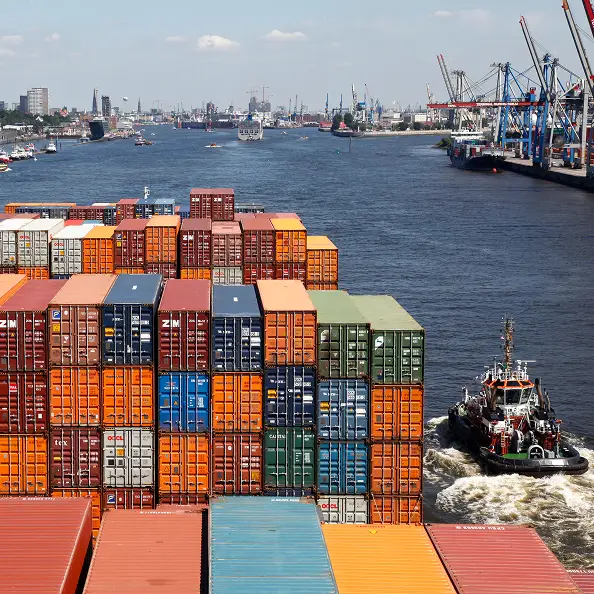
Whoever has been importing cement, iron and steel, aluminium, fertilisers, electricity or hydrogen into the EU since 1 January 2026 and has not yet heard of CBAM (Carbon Border Adjust-ment Mechanism), may well stand at the EU border and rub their eyes in bewilderment. Since then the definitive phase of the CBAM Regulation (EU) 2023/956 has been in force, and what was a simple reporting obligation has turned into compulsory compliance duties that already start with a digital customs declaration (e.g. reporting the correct document codes and any individual registrations). By 30 September 2027 at the latest affected businesses must comply with their reporting duties and submit the certificates they previously had to buy. To do this, auditable processes and documentation have to be set up and governance models created.
High energy costs are an increasing challenge to many businesses. To mitigate the burden of costs at least partially they can claim tax benefits (tax exemptions, tax relief, etc.) under the German Electricity Tax Act [StromStG] and Energy Tax Act [EnergieStG]. But businesses in difficulty as defined by European state aid law are excluded from this. This also includes some businesses that are actually not in financial straits at all. But a recent court judgement and new practice at the customs authorities means they are now threatened with the loss of these tax benefits.
Over the last seven years, Grant Thornton’s International Business Report (IBR) has shown a concern about the impact of energy costs on business across the global mid-market.