Electricity tax exemption 2026 Key changes and what action operators of solar, wind and CHP plants should take

By: Stefan Ulrich
02 Jul 2026 4 min read
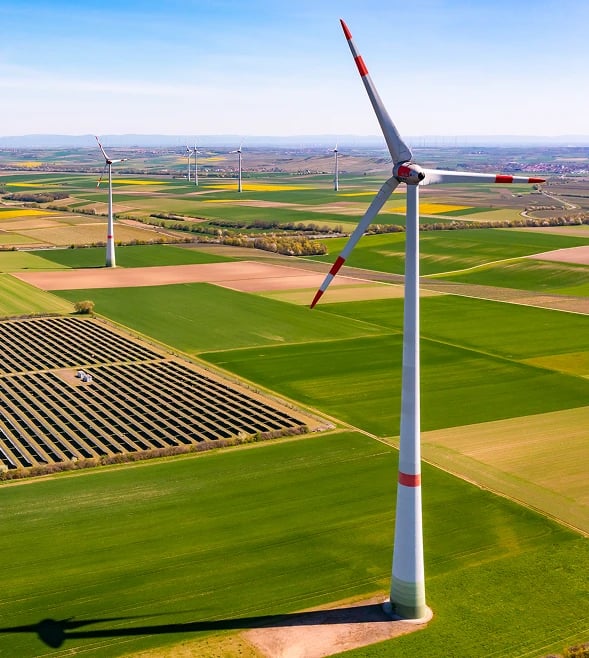
New rules for electricity tax exemptions from 2026 – changes to applications, the definition of plant, and obligations for operators of solar, wind and CHP plants.
Brief description of the problem
With the entry into force of the Third Act to Amend the Energy and Electricity Tax Act on 1 January 2026, the existing system of electricity tax exemptions was reformed. This particularly affects operators of photovoltaic, wind energy and combined heat and power (CHP) plants in Germany.
The reform has several objectives: while this article will also address the tax treatment of charging points and electricity tax relief for the manufacturing sector, its focus will be on electricity tax exemptions for operators of solar, wind and CHP plants.
A key point is the discontinuation of the previous practice of aggregating plants across multiple sites. This is being replaced by a uniform, cross-standard definition of “plant” (“Anlage”), based on the location where electricity is generated. In many cases, this will result in a change to the relevant rated capacity of the plant. Consequently, it was necessary to review the current licensing situation.
At the same time the regulations governing tax exemptions, licence applications and declarations of operation have been completely revised. All application forms on the customs portal have been thoroughly revised. On top of this, registration in the market master data register is now a prerequisite.
Potential implications for businesses
The legislative changes have far-reaching implications for businesses in the energy sector as well as for industrial and commercial operations with their own electricity generation facilities.
Firstly, the new definition of “plant” necessitates a reassessment of existing facility structures. The previous regulatory loophole has been eliminated, i.e. the problem arising from treating multiple generating facilities as a single plant resulting in a total rated output of over 2 MW, which disqualified it from tax exemption. For many operators of solar power installations spread across numerous smaller sites, the new legal situation will lead to a reassessment of their own growth prospects.
Basically, the criteria now relevant for distinguishing between one or more electricity generating units are the identity of the operator, the location and the design of the electricity generating units. The questions of whether there are multiple plants and what tax relief this entails have therefore not gone away, but present themselves again. Particular attention should be paid to the undefined term “location” (“Standort”), which needs to be interpreted.
Biomass, sewage gas and landfill gas are no longer classified as renewable energy sources, i.e. that an electricity tax exemption for these is only possible within the context of a highly efficient CHP plant with a nominal electrical output of up to 2 MW.
In future, the “carbon criterion” will also apply to tax exemptions for CHP plants. Since 1 January 2026, plants have been permitted to emit no more than 270g of CO2 per kWh generated. In return, the requirement for a specific capacity factor has been discontinued. For many plant operators, this is a good deal.
The requirements for “(limited) supplier” status have been fundamentally reworked (section 1a of the Electricity Tax Implementation Regulation [StromStV]). In line with the desire to reduce bureaucracy, tax-exempt matters in particular will in future no longer typically trigger supplier status. Consequently, many wind and solar farm operators are likely to be immediately exempt from their obligations as suppliers. In such cases, however, particularly for large-scale plants (>2 MW rated output), the legal status of a “self-generator” is likely to apply, which is also subject to authorisation.
Not least the accuracy of the core energy market data register is becoming increasingly important. Incomplete or incorrect entries may affect eligibility for tax exemptions.
Recommendations for action
In light of these extensive changes, it is essential for affected companies to take a structured approach to the new legal situation.
Firstly, it is advisable to carry out a systematic review of all electricity generating plants, taking into account the new legal definition as well as the business’s current licensing status. Given the possibility of permits being granted retroactively if they are applied for or updated by 30 June 2026, affected businesses only have a few weeks left to act. It is therefore essential to assess as a matter of urgency the extent to which adjustments need to be made.
This should be accompanied by applications to the core energy market data register. Entry in the register is a prerequisite for many forms of tax relief.
With the changed requirements and the associated reduction in bureaucracy, some internal processes may need to be discontinued or adapted.
As this joint consideration of technical, regulatory and tax aspects has not become any less complex, I am available to answer any questions you may have on this subject area as well as on all other matters relating to energy and electricity law.
Authors
-

Stefan Ulrich
Stefan Ulrich is a Partner in the Legal service line at our Duesseldorf office specialising in energy law and excise taxes. He has worked as a lawyer since 2014, providing advice for energy-intensive enterprises in the areas of compliance, litigation, contract law and energy cost optimisation.View Profile